
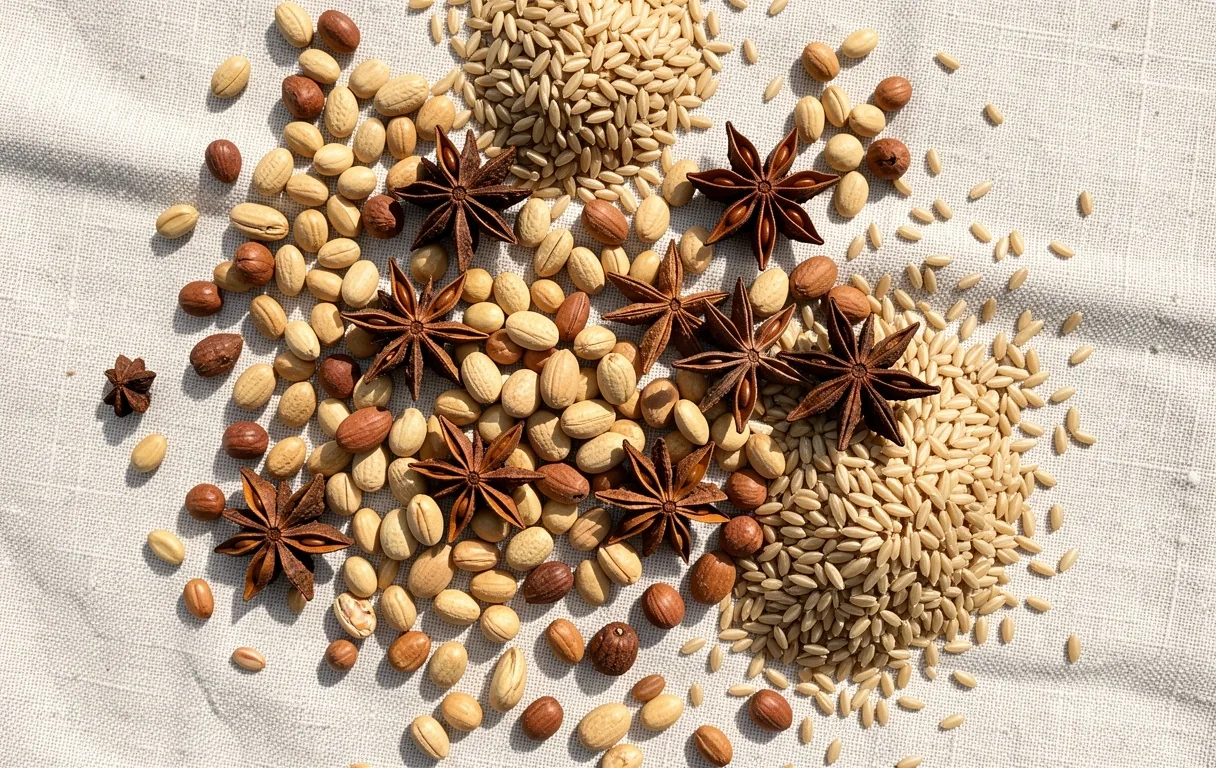
Whole Grains & Fiber
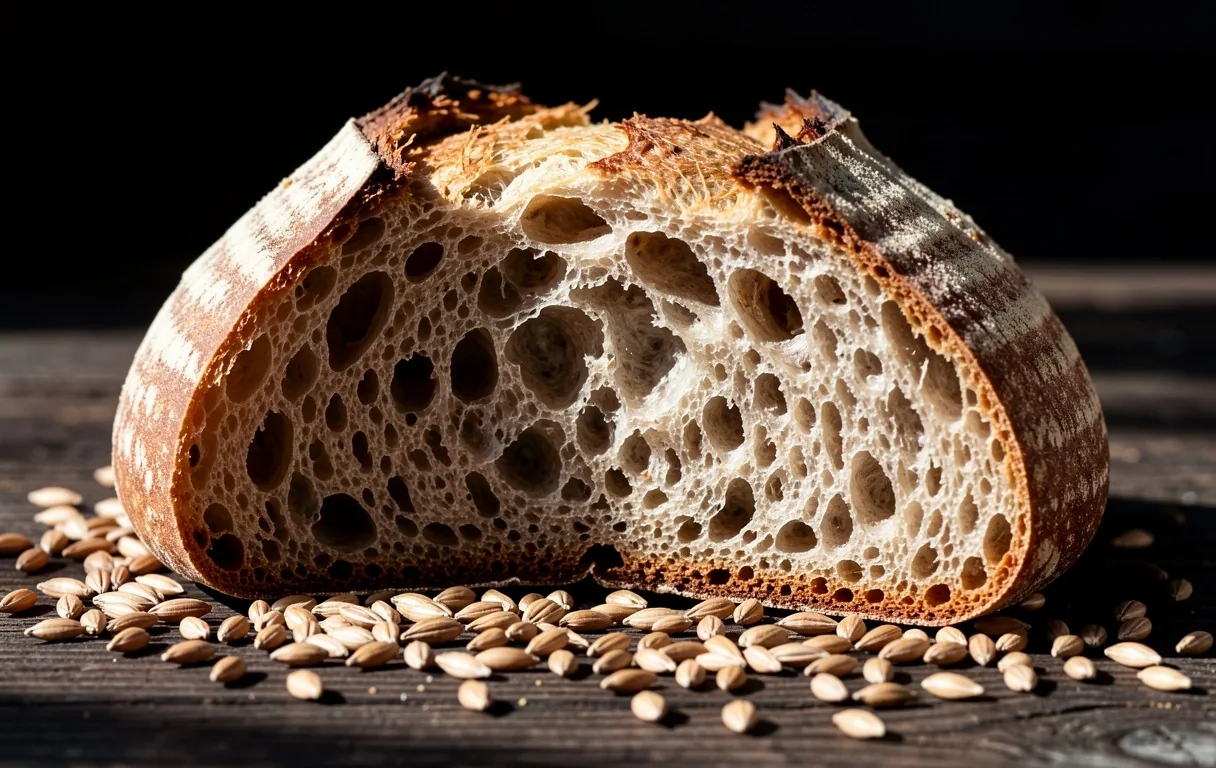
Understanding the difference between refined and ancient grains, and how complex fibers contribute to sustained energy release.
 Open Exploration
Our library is structured to strip away the noise of modern marketing. We focus on the fundamental food groups defined by their nutritional density and roles in maintaining general physical wellbeing. This archive serves as a non-prescriptive directory for those seeking to ground their daily habits in established nutritional principles.
Detailed explorations of complex carbohydrates, lean protein sources, and the essential role of dietary fats in a balanced routine.
A guide to the vitamins and minerals found in vegetables, seeds, and fruits that support daily vitality and cognitive clarity.
Understanding the difference between refined and ancient grains, and how complex fibers contribute to sustained energy release.
Open Exploration
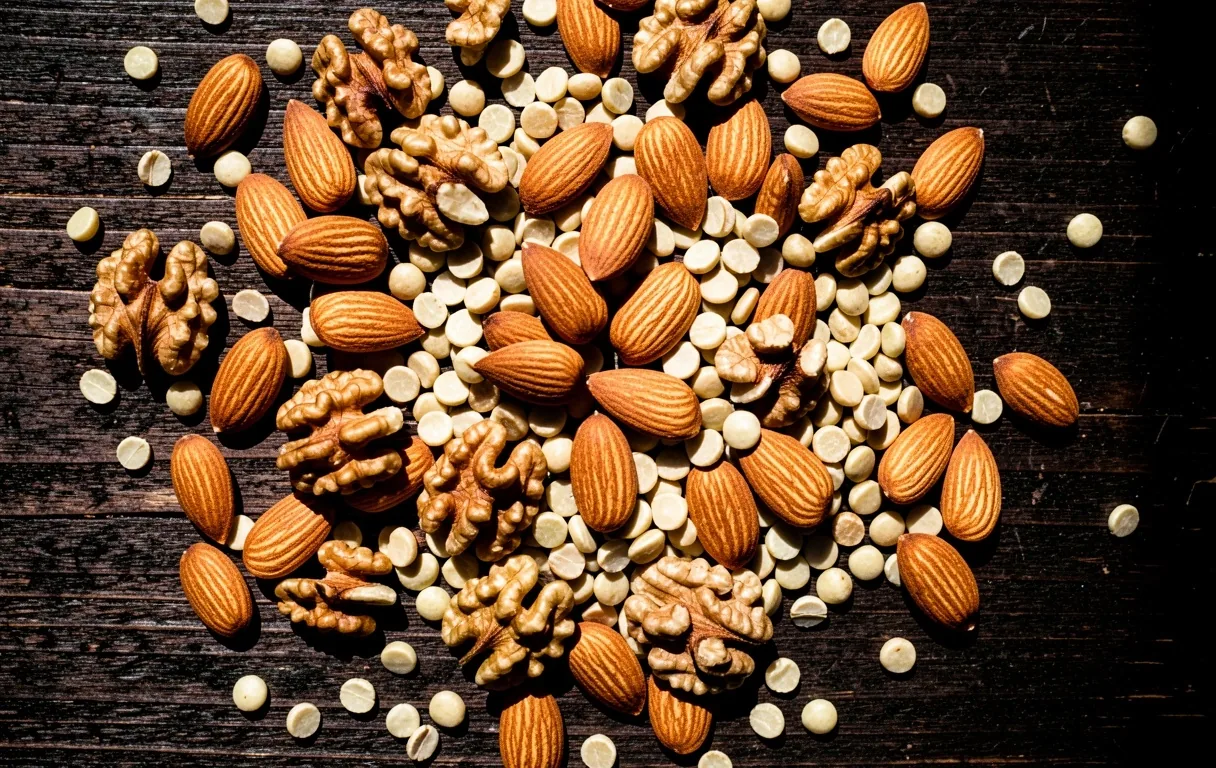
A comprehensive overview of legumes, pulses, and nuts as high-density protein alternatives for a balanced lifestyle.
 Open Exploration
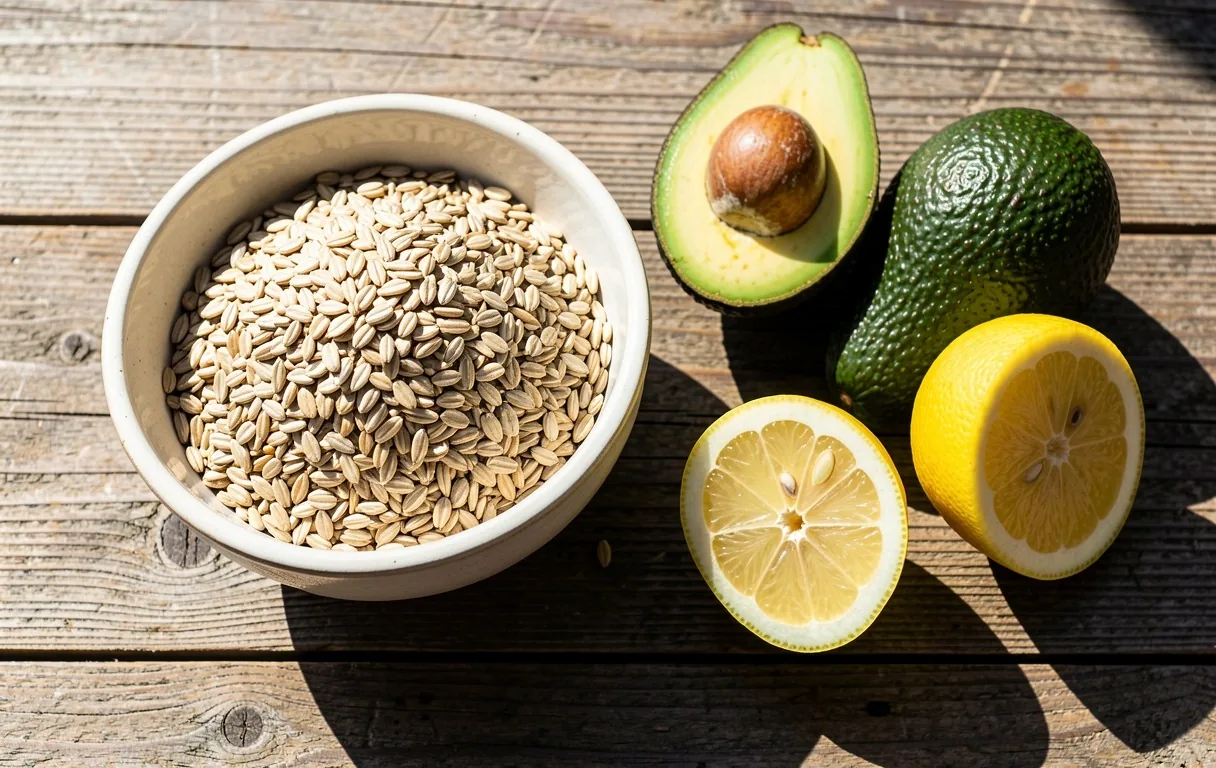
Demystifying dietary fats: the importance of Omega-rich oils, avocados, and seeds for structural cellular integrity.
 Open Exploration
Exploring the impact of fluid intake on metabolic efficiency and the significance of trace minerals in daily water.
 Open Exploration
How consuming seasonal produce aligns with the body's natural requirements for specific vitamins throughout the year.
 Open Exploration
Investigating the traditional methods of fermentation and the nutritional value of live probiotic-rich accompaniments.
 Open Exploration
Navigating choices in a modern supermarket requires a framework of understanding, not just a list of ingredients.
| Evaluation Criteria | Whole Foods | Processed Alternatives |
|---|---|---|
| Nutrient Density | Naturally high levels of vitamins, minerals, and enzymes. | Often stripped of fiber and fortified with synthetic additives. |
| Satiety Period | Sustained energy due to complex structures and fiber. | Rapid absorption frequently leading to energy fluctuations. |
| Preparation Time | Variable; ranges from raw intake to traditional cooking. | Convenience-led; usually high in hidden sodium or oils. |
Education is only as valuable as the actions it inspires. Follow these lifestyle steps to integrate nutritional balance into your daily routine.
Expert Tip
"Focus on one food group per week. Mastery of even a single nutrient category can fundamentally change your relationship with the kitchen."
Review our guides to determine which nutritional areas interest you most. We suggest starting with macronutrients to build a strong foundation of daily intake understanding.
Assess your current pantry. Recognising which items are whole ingredients versus ultra-processed labels is the first step toward nutritional autonomy.
Apply the theory. Use our Balanced Recipe collection to translate guide knowledge into a physical plate that meets your unique energy demands.

DietSelect prioritises whole-ingredient education over processed alternatives. All guides are validated against established UK public nutrition data to ensuring our guidance is lifestyle-oriented and safe for general wellbeing. We maintain a non-prescriptive tone, empowering you to make informed decisions for your unique household needs.